When considering the installation of solar panels or optimizing an existing solar power system, it is important to emphasize energy efficiency. Enhancing the efficiency of a home can lead to significant reductions in energy consumption, thereby increasing the effectiveness of solar energy utilization. Key home improvements include upgrading insulation, replacing outdated appliances with energy-efficient models, and modernizing heating systems. These measures not only lower energy costs but also ensure that the solar energy generated is used more effectively within the household.
Moreover, when these energy efficiency improvements are implemented alongside solar installations, they can result in a noticeable decrease in overall energy bills and a reduction in the household's carbon footprint. These modifications can also qualify homeowners for various incentives, which could further enhance the financial benefits. It is essential to assess these factors methodically to achieve optimal comfort and sustainability in the home environment. Energy efficient home upgrades can lead to cost savings and improve energy utilization within residential properties. Enhancements such as the installation of Energy Star® rated windows and doors, the integration of smart thermostats, and the use of efficient Heat Pump Water Heaters have been shown to reduce heat loss and lower overall energy consumption. In the United States, various federal and state credits and incentives are available to homeowners and businesses to encourage energy efficiency improvements. These upgrades can result in federal tax savings and a decrease in energy costs over time, making them a financially prudent option. It is recommended to consult with a qualified professional to evaluate specific solutions tailored to the individual circumstances of each property, ensuring that the energy efficiency improvements align with the homeowner’s needs and goals. The introduction of federal tax credits and incentives has created opportunities for homeowners in the United States to invest in energy efficiency. One notable example is the federal tax credit that allows homeowners to deduct 30% of the expenses incurred for solar panel installations. For those exploring long-term solar solutions, Solar Battery Storage in Cape Coral can further enhance energy independence and efficiency. This initiative is part of a more extensive suite of policies designed to reduce energy costs and address environmental concerns. Beyond solar energy, homeowners can also benefit from various upgrades to their properties. The incorporation of ENERGY STAR-rated products, such as windows, heat pumps, and heat pump water heaters, can lead to considerable savings. Specifically, these installations may provide tax deductions totaling up to $3,200 within a single tax year. The focus on improving energy efficiency through the installation of heat pumps, smart thermostats, and high-efficiency water heating systems is intended to enhance thermal comfort, minimize energy losses, and preserve air quality in residences. These federal incentives represent a concerted effort to foster the adoption of energy-efficient technologies and practices, yielding both economic advantages for homeowners and broader ecological benefits for communities. Investing in solar panels can enhance a home's sustainability; however, their effectiveness is maximized when the living space is properly insulated and sealed. Improving the retention of conditioned air is crucial for optimizing solar power efficiency. Upgrading insulation and sealing air leaks can reduce heat loss by as much as 25%, which may lead to lower electricity and heating expenses and create a more stable indoor environment. Additionally, the installation of energy-efficient windows or storm window solutions can contribute to improved air quality and overall energy performance of a home. Homeowners in the United States should consider that federal tax credits may be available to offset some of the costs associated with these upgrades. Recent evidence suggests that targeted improvements in insulation and sealing not only conserve energy but also effectively decrease carbon emissions for both residential and commercial properties. Selecting energy-efficient appliances and upgrading home equipment can improve the efficiency of solar power systems. The adoption of Energy Star-rated appliances, smart thermostats, and high-efficiency water heaters can lower overall electricity consumption, which optimizes the effectiveness of solar panel output. Key upgrades to consider include electric heat pumps, heat pump water heaters, and energy-efficient lighting solutions. Implementing these improvements can lead to reduced energy costs and may make homeowners eligible for federal tax credits available in the United States. Coupled with solar power systems, these upgrades have the potential to enhance energy efficiency and lower carbon emissions while improving indoor air quality and comfort. Trends in home improvement reflect growing awareness of air quality, hot water efficiency, and heat retention, further promoting the adoption of energy-efficient technologies. Integrating solar panels with existing home energy improvements can optimize the benefits of both investments. Upgrades such as Energy Star-rated appliances, smart thermostats, air leak sealing, and high-efficiency windows are proven to reduce energy consumption and enhance indoor air quality. When homeowners implement these measures, they can achieve lower electricity expenses while simultaneously minimizing their carbon emissions, contributing to more sustainable living practices. Furthermore, incorporating solar panels with heat pumps or heat pump water heaters—alongside other efficient water heating systems—can augment overall energy efficiency. Homeowners in the United States may also benefit from federal tax credits by undertaking these home improvement projects. The combination of renewable energy technologies and energy-efficient upgrades has the potential to decrease dependence on natural gas and bolster energy resilience. This integrated approach not only maximizes the efficiency of individual investments but also aligns with broader sustainability objectives. To maximize tax savings and rebates from energy-efficient home improvements, it is important to thoroughly understand the applicable tax credits and rebates. The federal tax credit, which allows for a deduction of up to 30% of the cost for qualifying investments, applies to a range of projects. These include solar panels, heat pumps, energy-efficient windows, smart thermostats, and heat pump water heaters. A systematic approach to claiming these credits may involve distributing eligible projects over several tax years. For example, upgrades such as insulation improvements and the installation of Energy Star appliances can be completed in different years to optimize the credits received. In addition to federal options, homeowners should also explore state and local programs, which often provide additional rebates for both residential and commercial projects. Implementing these strategies can help homeowners reduce their overall costs while enhancing energy efficiency, improving indoor air quality, and lessening their ecological footprint. It is crucial to remain updated on both tax legislation changes and local rebate programs, as these factors can significantly impact potential savings. To improve your home's energy efficiency before adopting solar power, it is beneficial to begin with a comprehensive home energy audit. This process helps identify areas where energy loss occurs and highlights opportunities for upgrades that can lead to increased efficiency. Among the upgrades to consider are improved insulation, energy-efficient windows, and contemporary HVAC systems. Additionally, replacing older appliances with Energy Star-rated models and installing a smart thermostat can contribute to optimized energy consumption. Sealing air leaks is another essential measure for enhancing overall efficiency. Homeowners may also explore advanced options such as installing a heat pump or a heat pump water heater and potentially shifting from natural gas to electric systems. These alternatives can enhance energy efficiency and reduce utility costs. It is pertinent to recognize that there are federal tax credits and various local programs designed to help homeowners mitigate the expenses related to energy-efficient upgrades. Consulting with certified professionals is advisable to ensure that the enhancements are implemented effectively and sustainably. Making energy efficiency upgrades can lead to cost savings and enhance the comfort of your home while contributing positively to environmental sustainability. When these upgrades are combined with solar power installations, they can further maximize energy savings and decrease your carbon footprint.
It's important to consider various options for energy efficiency improvements. Common upgrades include enhancing insulation, upgrading HVAC systems, sealing air leaks, and replacing inefficient appliances with ENERGY STAR-rated models. These interventions can significantly reduce energy consumption, thus complementing the benefits provided by solar panels.
Additionally, homeowners should explore available tax credits and rebates, which can effectively lower the upfront investment for these improvements. Such financial incentives can improve the overall return on investment for both energy efficiency upgrades and solar power systems.
Starting with small, manageable projects can lead to positive outcomes, and as improvements accumulate, homeowners may experience enhanced energy performance over time. A structured plan for implementing energy-efficient upgrades along with solar energy can result in both immediate financial benefits and long-term sustainability for your home.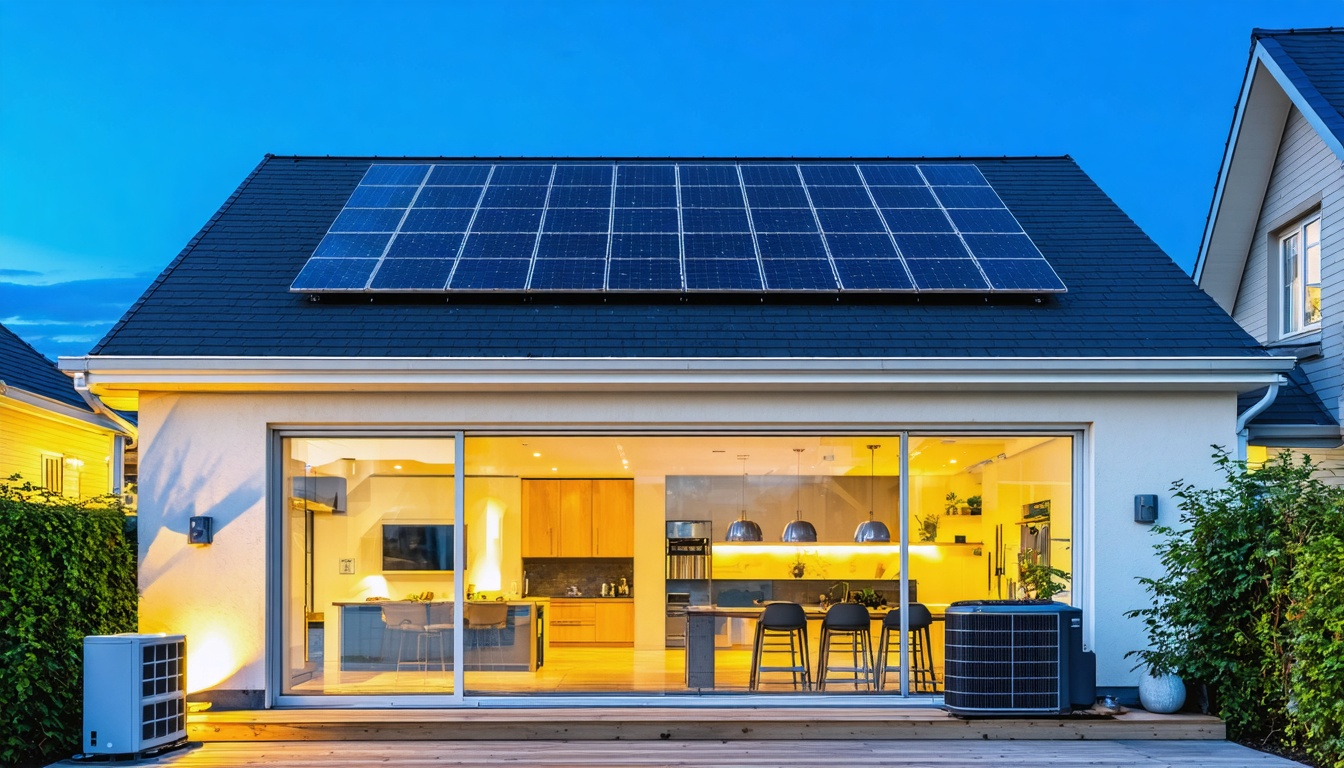
Home Energy Efficiency Improvements That Complement Solar Power
Understanding the Impact of Energy Efficient Home Upgrades
Available Federal Tax Credits and Incentives for Energy Efficiency
Improving Insulation and Sealing for Optimal Energy Performance
Appliance and Equipment Upgrades for Greater Efficiency
Integrating Solar Power with Existing Home Improvements
Strategies for Maximizing Tax Savings and Rebates
Steps for Getting Started with Energy Efficiency and Solar Upgrades
Conclusion